Species Intelligence · Nature lens

Each species is a sentence the living system is writing.

Filter by functional role — pollinator, soil engineer, water-quality indicator — to read the corridor as a working ecosystem. Each card links observed habitat, indicator value, and the photographs that prove the species was there.

13 of 13 species
BirdReturning

Vermillion Flycatcher

Pyrocephalus rubinus

Ecological roleInsectivore · indicator of restored riparian cover

Indicator valueReturning pairs signal that riparian insect populations have recovered enough to support active hunting territories.

Cultural relevanceKnown locally as the 'fire bird' for its color; its return is celebrated by community planting crews.

HabitatRiparian edge with open perches

Restoration is invisible until a species you didn't plant decides the habitat is good enough to nest in.
Observed at
  • · Base Marítima Seca · Coastal Transect 02
  • · Riparian Zone 4
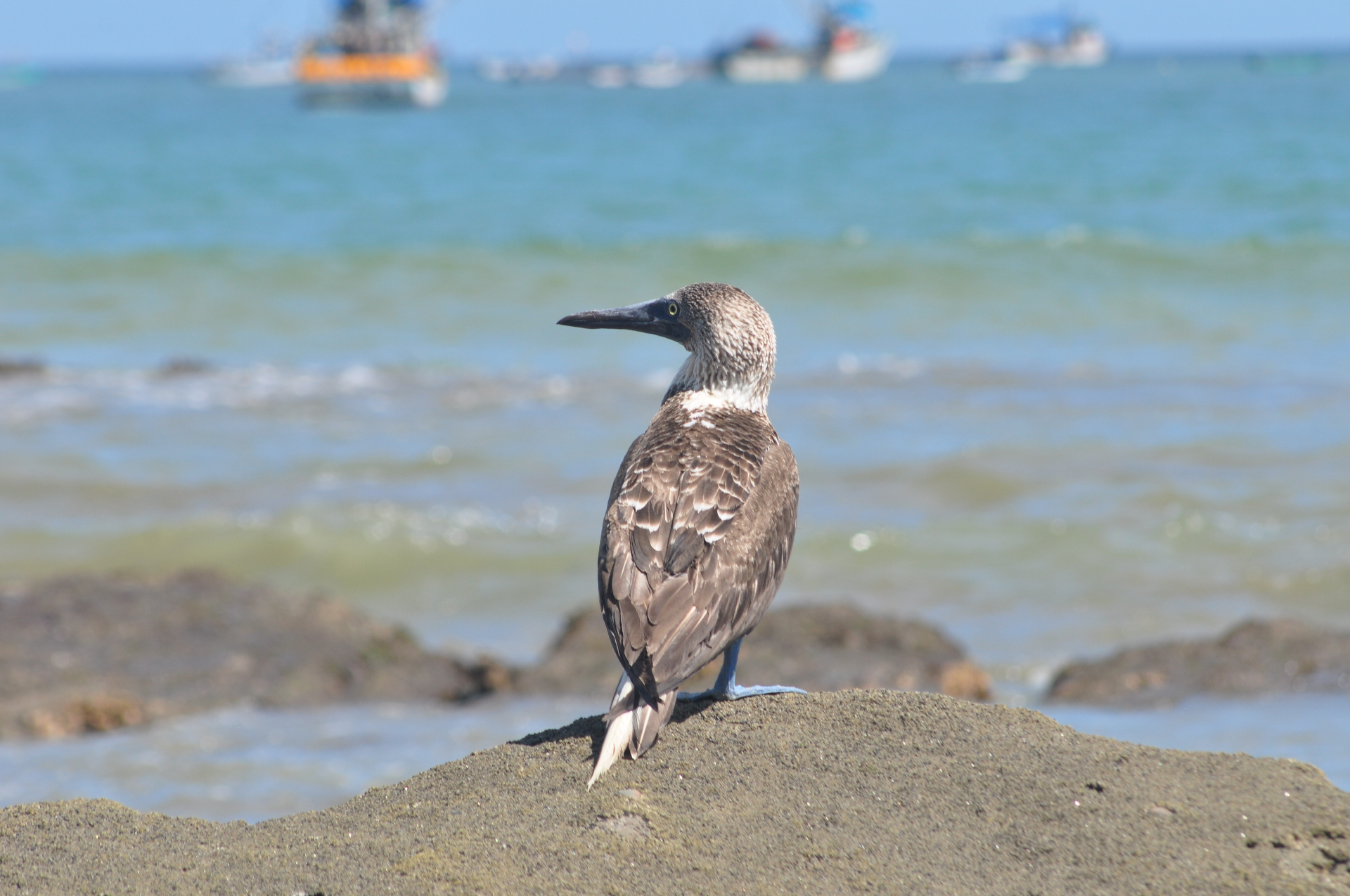
Juvenile blue-footed booby at the artisanal fishing landing — direct evidence the coastal food chain is still functioning at our doorstep.
BirdStable

Blue-footed Booby

Sula nebouxii

Ecological roleApex marine forager — indicator of pelagic fish stock health

Indicator valueActive feeding within 100m of shore indicates the local pelagic fishery is still productive.

Cultural relevanceIconic on this coast — fishermen use booby diving behavior as a real-time school-of-fish signal.

HabitatRocky coast adjacent to artisanal fishing zone

What the seabird sees first, the coast feels next.
Observed at
  • · Base Marítima Seca · Artisanal Landing
  • · Coastal Transect 02
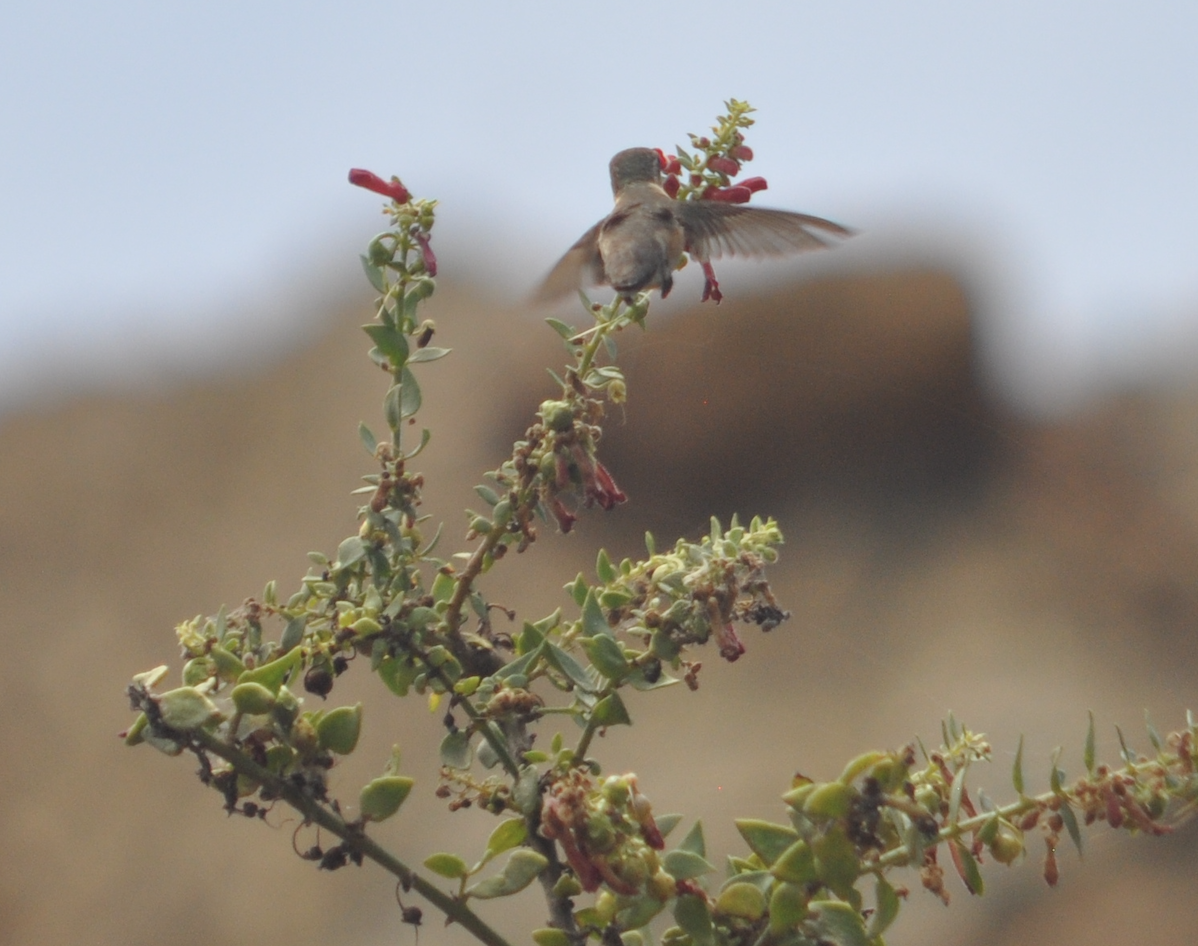
Female hummingbird feeding on a flowering dry-forest shrub mid-flight — pollination service caught in real time on a regenerating slope.
BirdRecovering

Amazilia Hummingbird

Amazilia amazilia

Ecological rolePrimary pollinator of tubular dry-forest flowers

Indicator valueVisit frequency tracks flowering density — a proxy for restoration vigor on a given plot.

Cultural relevanceHummingbirds are spirit messengers in many local cosmologies — their return is read as a good sign.

HabitatFlowering dry-forest scrub

Pollinators choose recovering land before scientists confirm it.
Observed at
  • · Dry Forest Zone 7 · Slope Margin
BirdStable

Pacific Parrotlet

Forpus coelestis

Ecological roleSeed disperser

Indicator valueFlock size tracks fruiting-tree availability across the season.

A small bird moves a forest seed by seed.
Observed at
  • · Dry Forest Zone 3
BirdReturning

White-tailed Jay

Cyanocorax mystacalis

Ecological roleOmnivore · seed disperser of dry-forest fruits

Indicator valueEndemic to the Tumbesian region — its return signals broader corridor recovery.

Endemics are short-distance specialists. They reward connected landscapes.
Observed at
  • · Loja Edge
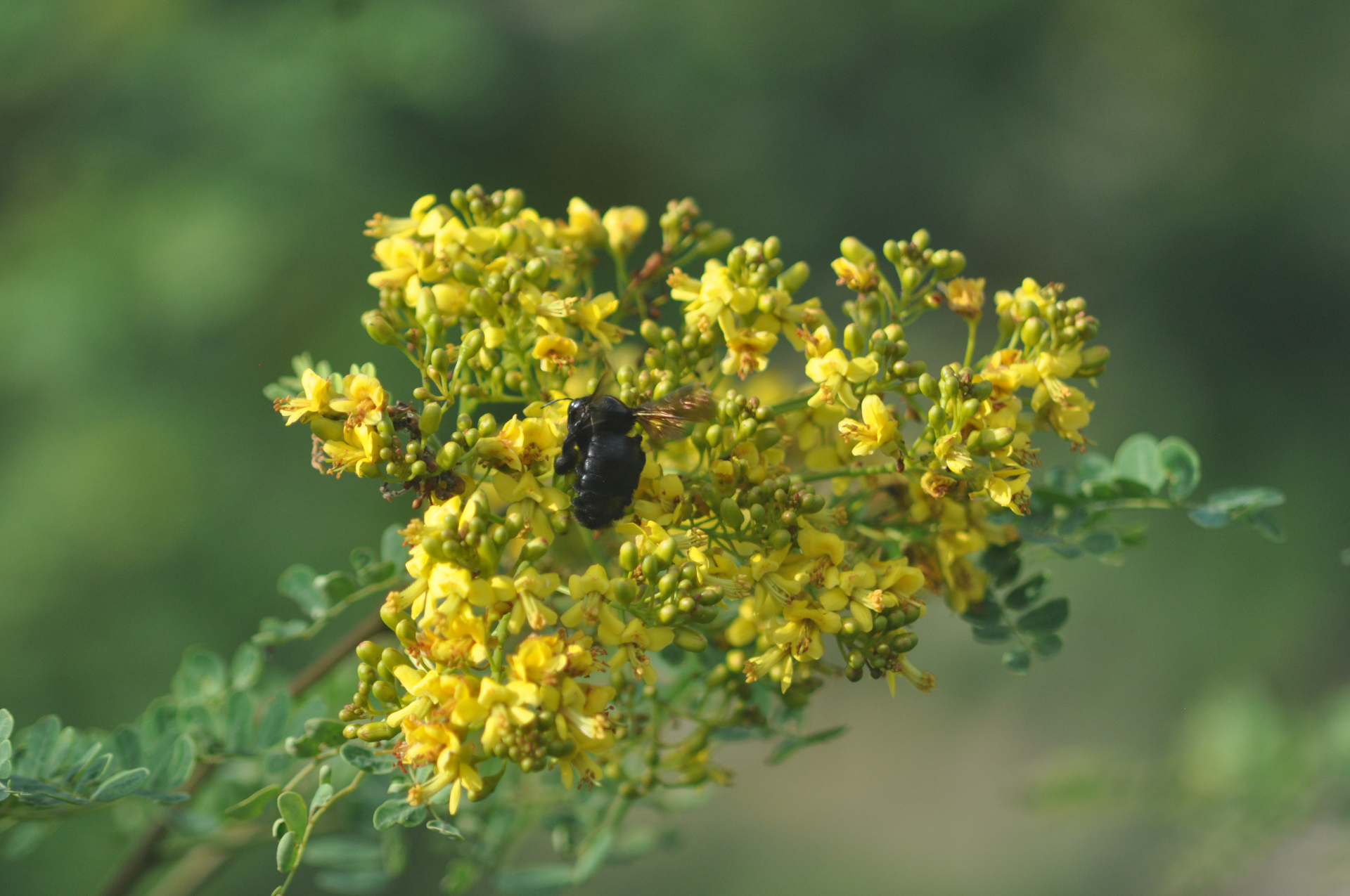
Black carpenter bee working an algarrobo bloom — primary pollinator for the keystone legumes of the dry forest.
InsectIndicator

Black Carpenter Bee

Xylocopa sp.

Ecological rolePrimary pollinator of native dry forest legumes

Indicator valueSustained activity confirms healthy dead-wood substrate for nesting plus continuous flowering windows.

HabitatFlowering legume canopy

Big bees, small noise, whole-forest consequence.
Observed at
  • · Dry Forest Zone 7
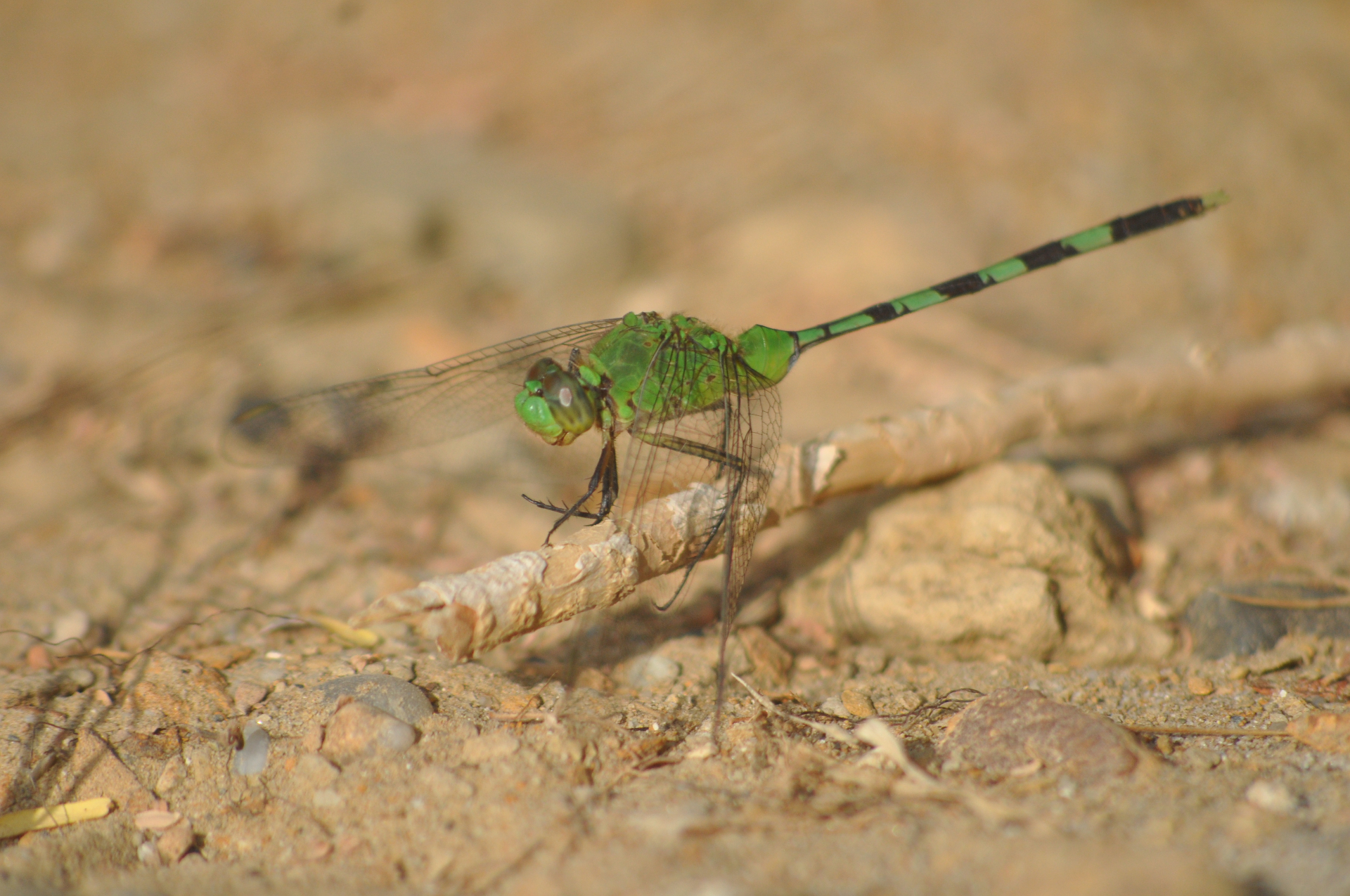
Green pondhawk on a riparian margin — odonata presence is a leading indicator of water-quality recovery.
InsectIndicator

Green Pondhawk

Erythemis vesiculosa

Ecological roleIndicator species — confirms water quality recovery

Indicator valueDragonfly nymph survival requires clean, oxygenated water — adult presence is a downstream water-quality vote.

HabitatSeasonal stream margin

If the dragonfly is here, the water is honest.
Observed at
  • · Riparian Tributary 02
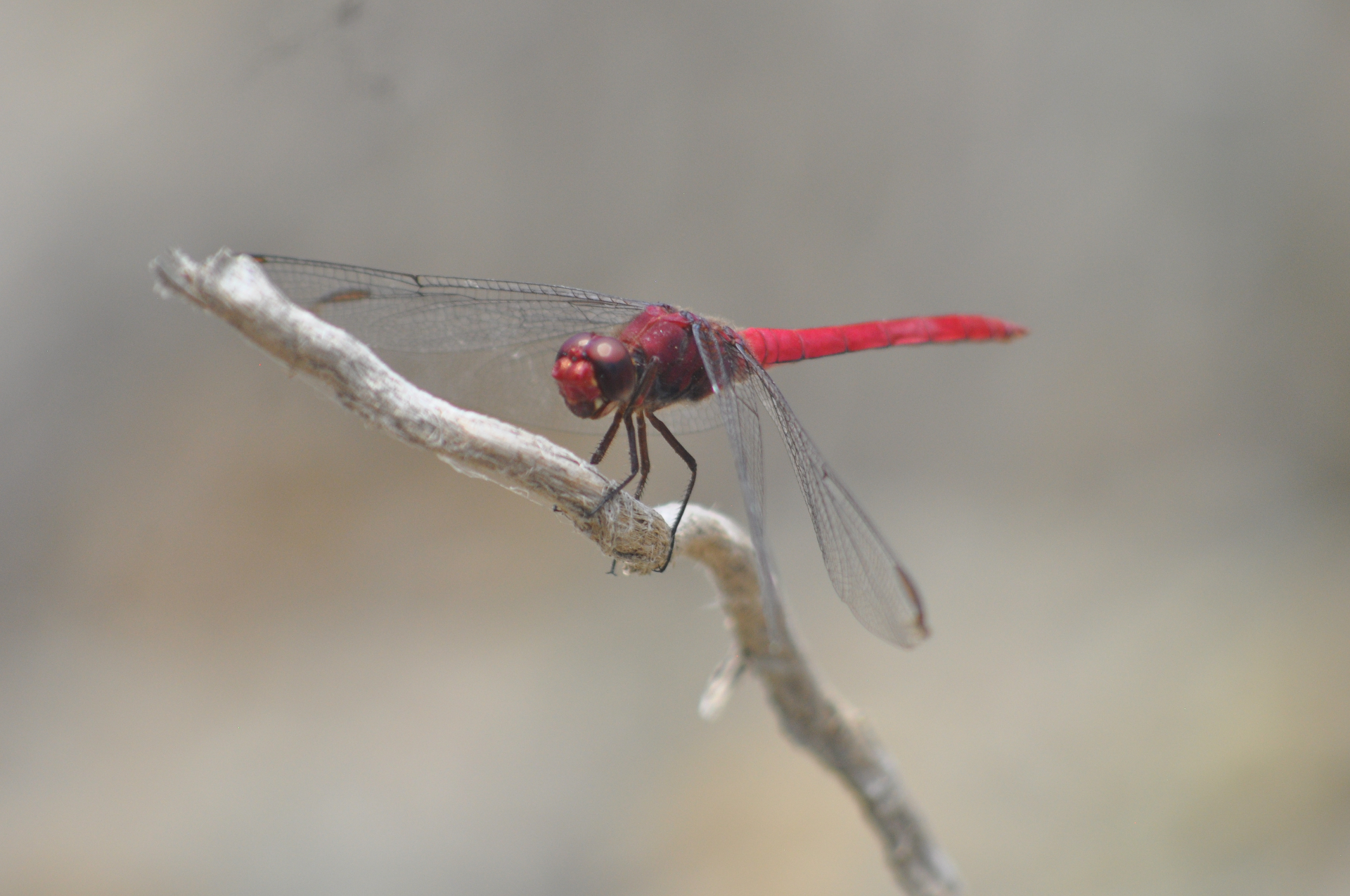
Scarlet skimmer perched on a dry-stick observation point above slow-moving freshwater.Close-range portrait of a male scarlet skimmer holding a sun-warmed perch — territorial display behavior recorded mid-morning.
InsectIndicator

Scarlet Skimmer

Crocothemis servilia

Ecological roleMosquito control · habitat health indicator

Indicator valuePersistent populations confirm pooled water and intact riparian sun perches.

HabitatSlow-moving freshwater edge

A bright wing on a stick is a quiet ecological report.
Observed at
  • · Headwater Tributary 04
  • · Riparian Tributary 02 · Sun Perch
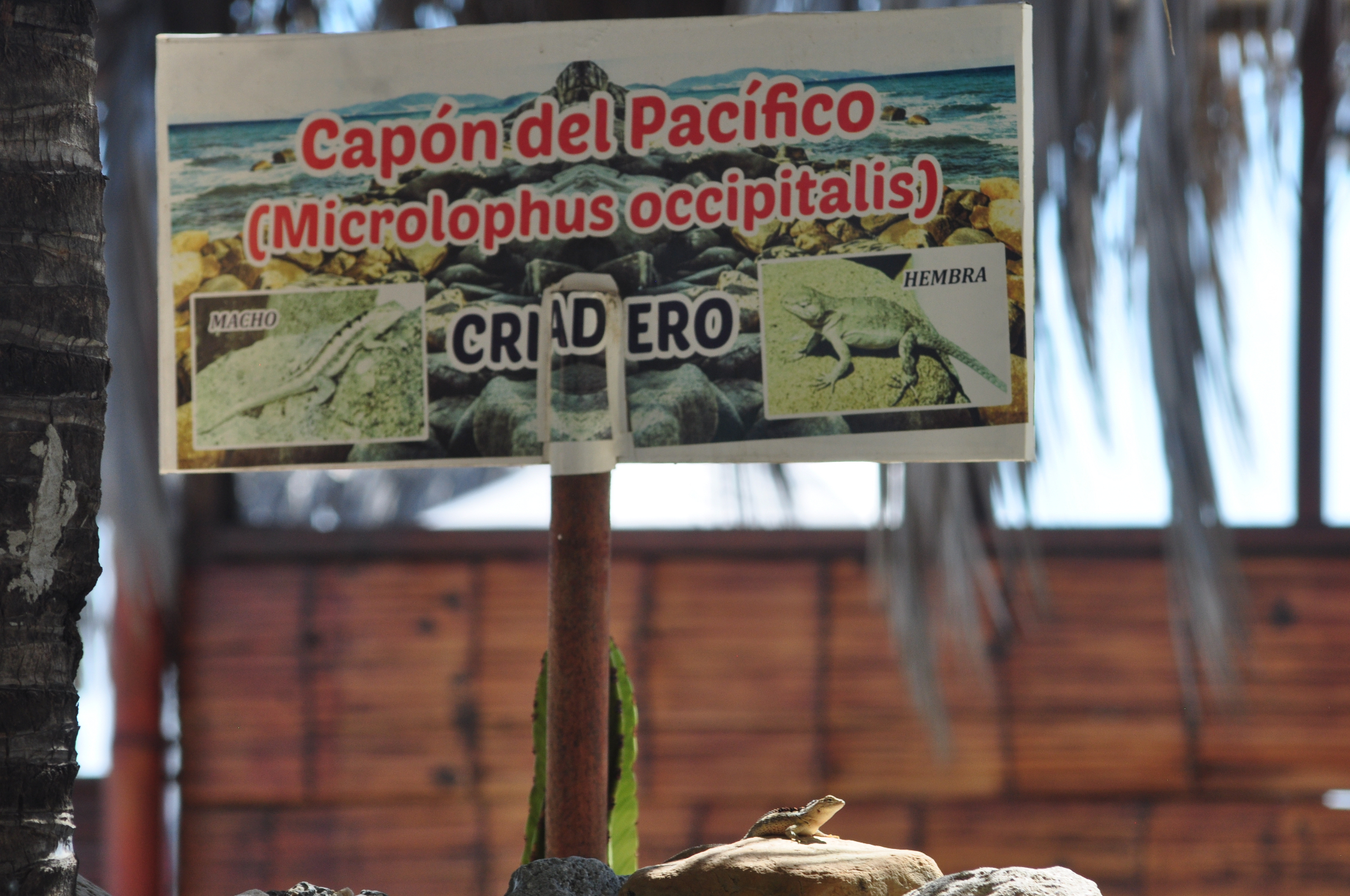
A wild Pacific lava lizard basks below a community-built nesting station — local stewards run a small breeding refuge for this dry-coast endemic.
ReptileRecovering

Pacific Lava Lizard (Capón del Pacífico)

Microlophus occipitalis

Ecological roleInsect control · prey base for raptors and snakes

Indicator valueDensity on monitored outcrops tracks invertebrate availability and intact thermal refuges.

Cultural relevanceCapón is a familiar coastal companion — children learn it before they learn most birds.

HabitatRocky outcrops and dry coastal scrub

Common species are the everyday infrastructure of an ecosystem.
Observed at
  • · Community Reptile Refuge · Tumbes Coast
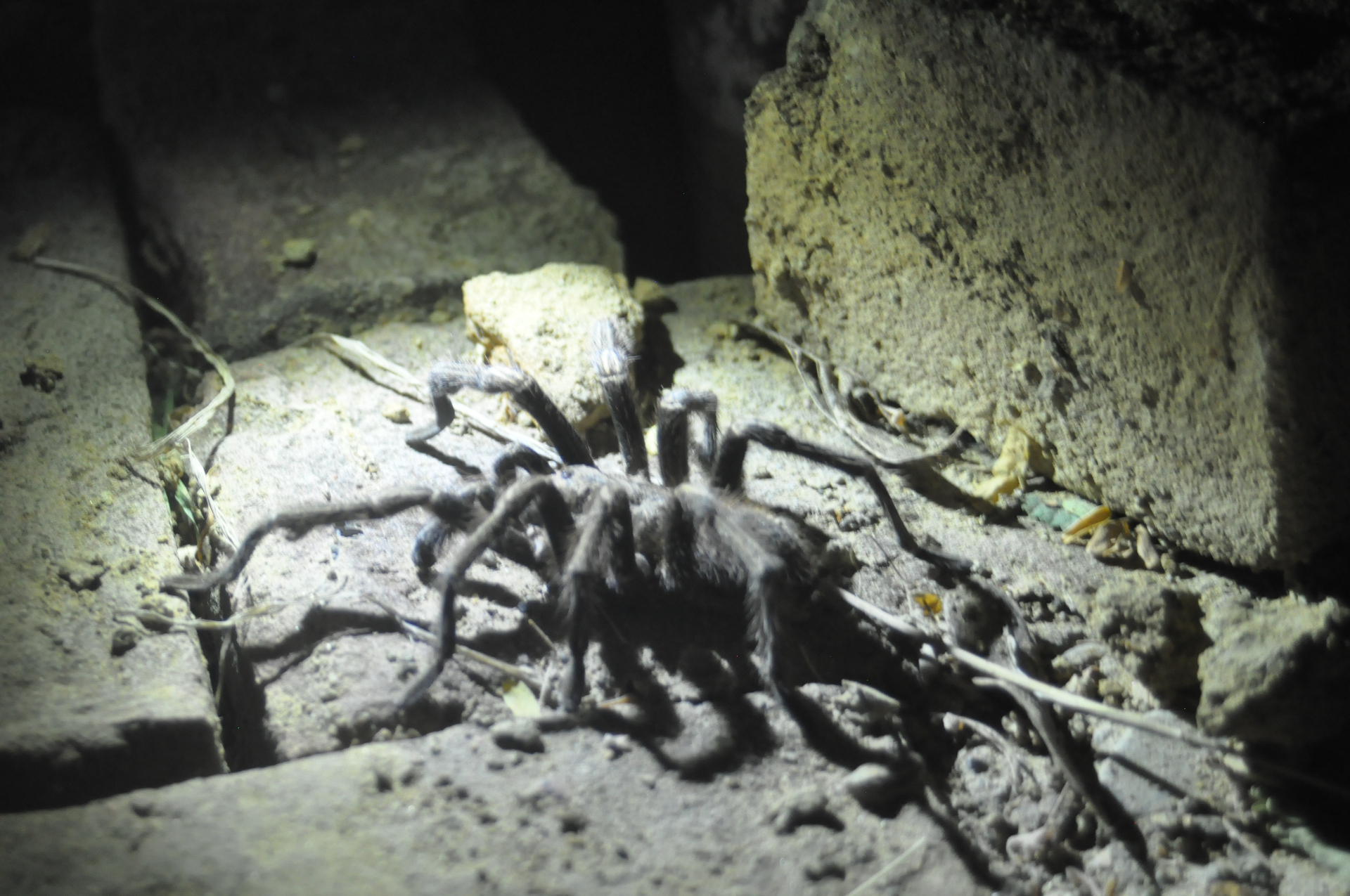
Nocturnal observation of an apex invertebrate predator — a healthy population indicates intact soil structure and prey base.
ArachnidStable

Peruvian Dry Forest Tarantula

Pamphobeteus sp.

Ecological roleApex invertebrate predator — soil aeration through burrowing

Indicator valueActive burrows confirm undisturbed soil structure and stable nocturnal prey base.

HabitatBurrow under sandstone outcrop

Soil predators are also soil builders.
Observed at
  • · Base Marítima Seca · Nocturnal Transect
PlantRecruiting

Algarrobo

Prosopis pallida

Ecological roleKeystone legume · nitrogen fixer · primary canopy

Indicator valueNatural recruitment under planted canopy is the cleanest sign that a restored plot is becoming self-sustaining.

Cultural relevanceSource of algarrobina, traditional sweetener and cough remedy across northern Peru.

One keystone tree organizes a forest around itself.
Observed at
  • · Dry Forest Zone 7
  • · Riparian Zone 4
PlantStable

Ceibo

Ceiba trischistandra

Ecological roleRiparian canopy · water-table stabilizer

Cultural relevanceConsidered a sacred tree in regional traditions — gathering tree, shade tree, story tree.

Some trees hold water for a whole valley.
Observed at
  • · Riparian Zone 4
PlantRecruiting

Hualtaco

Loxopterygium huasango

Ecological roleSlope stabilizer · live-staking species

Some species rebuild themselves from a stick if you give them a slope.
Observed at
  • · Multi-zone
  • · Dry Forest Zone 3