We don't extract from ecosystems.
We design loops.
Four interlocking systems that, together, allow a degraded landscape to start carrying itself again. Each one closes both an ecological and a human loop — you're reading the ecological loop first.
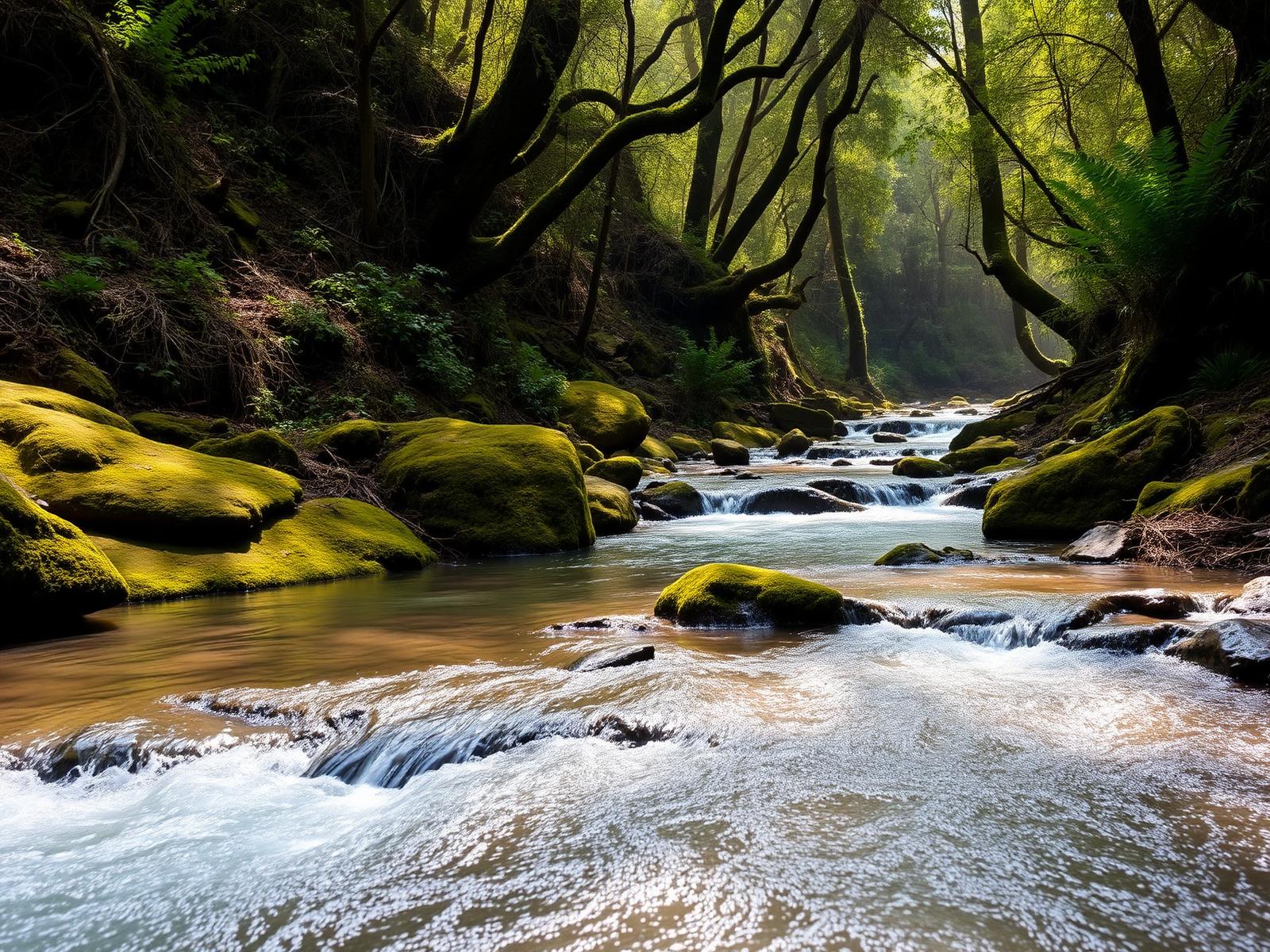
Water Systems
Headwaters → rivers → coast → ocean. We follow water across its full path.
- 01Catchment mapping from cloud forest source points down to coastal estuaries
- 02Riparian zone restoration to restore base flow and reduce flash erosion
- 03Source point monitoring with flow rate, turbidity, and seasonal logs
- 04Binational cooperation across the Peru–Ecuador hydrological border
Forest holds rainfall → springs run longer → rivers carry less silt → estuaries stay productive → fisheries recover.
Communities downstream regain reliable water → planting calendars stabilize → out-migration slows → stewardship capacity grows upstream again.
Agroecology & Food Systems
Polyculture and milpa systems that produce food while building soil.
- 01Native seed banks for regional crop varieties
- 02Polyculture training led by women cluster leaders
- 03Soil-building composting protocols
- 04Market access loops for surplus harvest
Polyculture cover → soil organic matter rises → infiltration improves → pollinators return → field-edge habitat thickens.
Seeds stay in community hands → varietal knowledge transmits → women hold food decision-making → household food security strengthens.
Biomaterials & Circular Systems
Coastal debris and agricultural byproducts converted into useful material loops.
- 01Marine debris recovery integrated with coastal restoration
- 02Sorting and processing for biomaterial reuse
- 03Local economic loops that pay for themselves over time
- 04Documentation of full material flow from source to reuse
Debris removed from beaches and mangroves → seabird entanglement drops → nursery habitat recovers → near-shore fish biomass returns.
Local crews paid to recover and process material → coastal labor stays coastal → cleanup becomes livelihood, not charity.
Soil & Carbon Systems
Soil is not dirt — it is a living archive. We give it the conditions to remember.
- 01Soil organic matter tracking on year-1, year-2, year-3 plots
- 02Erosion control terracing on degraded slopes
- 03Native species selection chosen for soil and root architecture
- 04Long-term carbon co-benefits documented but not the primary metric
Roots → fungal networks → organic matter → infiltration → more roots. Carbon is the by-product of a working soil cycle, not the goal.
Healthy soil keeps families on their land → reduces forced migration → keeps cultural knowledge tied to place across generations.