About Global Compass Conservation
We regenerate land, water, habitat, and culture through measured, syntropic, and legally protected conservation systems.
Global Compass Conservation is a regenerative conservation organization working to restore the natural ecological processes that sustain life. We help land stewards, communities, institutions, and governments transform degraded or vulnerable landscapes into living systems of fertility, habitat, water security, cultural continuity, and long-term protection.
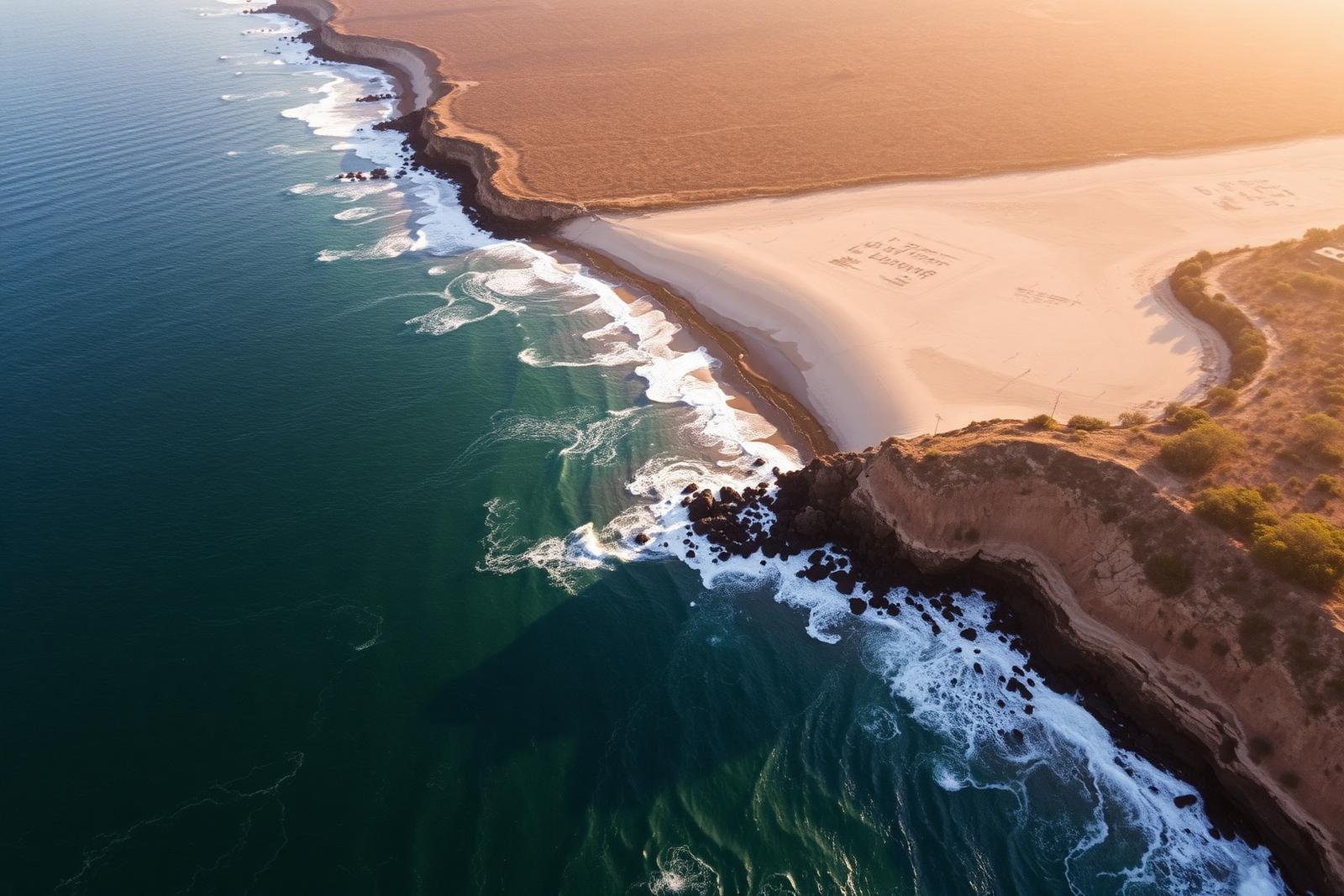
A multidisciplinary team for living systems.
We are a multidisciplinary conservation and regeneration team working across ecology, agroecology, habitat restoration, legal protection, community engagement, cultural preservation, and field implementation.
We operate as strategists, field practitioners, ecosystem designers, legal collaborators, researchers, educators, and community partners. Our role is to help land and communities move from degradation toward fertility, function, resilience, and long-term stewardship.
We work from love.
At the center of our work is love for the living world — love for soil, water, forests, pollinators, wildlife, cultural memory, and the communities who depend on healthy ecosystems.
But love alone is not enough. It must become structure. It must become method. It must become long-term protection.
Global Compass Conservation exists to return land to fertility, restore habitat, protect ecological processes, and create systems where nature and people can flourish together.
Love becomes measurable action.
“We do not regenerate land by force. We regenerate by understanding relationships — soil with roots, flowers with pollinators, water with forest, people with place.”
Ecosystem first. Then design. Then long protection.
Our work is focused on syntropic and regenerative methods. We begin by serving the ecosystem first. From there, we design harmonious, measured systems that can also become productive for land stewards and surrounding communities.
Ecosystem First
We begin with the needs of the living system: soil, water, habitat, biodiversity, and ecological function.
Syntropic Design
We design systems that increase life over time — more soil, more shade, more biodiversity, more fertility, more resilience.
Regenerative Production
Where appropriate, we create productive systems that serve both nature and people without degrading the land.
Measured Intervention
We work at scale, but always through measured, monitored, and ecologically appropriate actions.
Legal Durability
We support conservation through legal structures that protect the land's integrity across generations.
Community Alignment
We work with stewards, families, communities, governments, and ministries to build systems people can maintain and benefit from.
A seven-step pathway from first call to long-term stewardship.
- STEP 1
Discovery Call
We begin with a discovery call to understand the land, the landowner, the community, the country context, the ecological condition, and the desired outcome.
- STEP 2
Ecological and Legal Assessment
We evaluate the land's ecological potential and determine what legal or trust structure may best preserve its integrity, depending on the country, ownership model, and long-term goals.
- STEP 3
Field Diagnosis
We assess soil condition, water movement, habitat structure, species presence, erosion, existing vegetation, community use, and restoration opportunities.
- STEP 4
Regenerative Strategy
We design a syntropic and regenerative pathway — soil restoration, pollinator habitat, agroforestry, riparian repair, native planting, erosion control, and community participation.
- STEP 5
Implementation
We coordinate multidisciplinary teams to execute the restoration plan with precision, sequencing, and ecological timing.
- STEP 6
Monitoring and Measurement
We document progress through field reports, species records, soil observations, water indicators, photo monitoring, and impact metrics.
- STEP 7
Long-Term Stewardship
We help create governance, legal, and community systems that preserve the work over time.
When the conditions are aligned for meaningful regeneration.
GCCG can help when:
- →A landowner wants to restore or rehabilitate land.
- →A family wants to place land into a conservation trust or long-term protection structure.
- →A community wants to organize around agroecological systems.
- →A government or ministry needs ecosystem restoration strategy.
- →A farm or estate wants to transition toward syntropic or regenerative production.
- →A degraded landscape requires habitat restoration, soil rebuilding, or water-sensitive design.
- →A conservation area needs monitoring, planning, restoration, or community engagement.
- →A coastal, forest, mangrove, dry forest, Andean, Amazonian, or agroforestry system requires intervention.
Legal strategies are developed case by case with qualified legal professionals according to the country, land ownership structure, conservation goals, and required level of protection.
Landscapes where ecology, livelihood, and protection must move together.
Our active field anchor is in Zorritos, Tumbes, Perú, where dry tropical forest, coastal ecosystems, community land use, and watershed restoration come together.
Base Marítima Seca · -3.6726° S, -80.6707° W · Pacific Tropical Dry Forest · Humboldt Coast
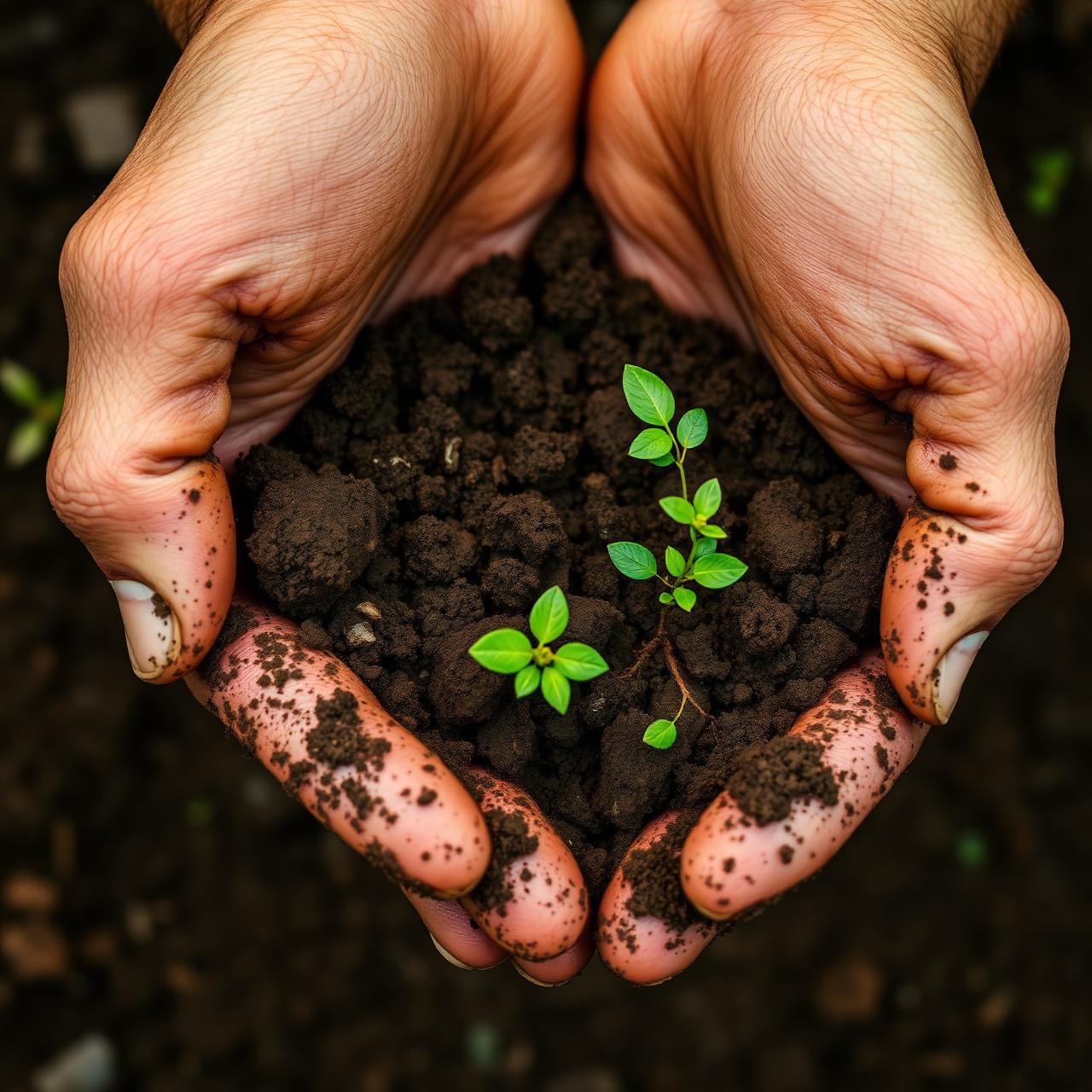
A multidisciplinary team for living systems.
Every landscape is different. Every intervention requires precision. GCCG works through multidisciplinary teams that can respond to ecological, legal, agricultural, cultural, and community conditions.
“Our work is coordinated around one principle: restore the processes that allow life to continue.”
Agroecological organization, rooted with the people who live with the land.
Regeneration cannot be imposed. It must be organized with the people who live with the land.
We support communities in developing agroecological systems, model farms, training processes, youth participation, women-led resilience, and local stewardship structures.
- ·Community workshops
- ·Agroecological training
- ·Model farmer coordination
- ·Youth ecological learning
- ·Women-led resilience programming
- ·Cultural documentation
- ·Local food system development
- ·Participatory restoration planning
The values that hold the work together.
“We do not see land as empty space. We see land as relationship, memory, habitat, water, food, and future.”
How to begin working with us.
If you are a landowner, community, institution, ministry, researcher, donor, or partner interested in regeneration, the first step is a discovery conversation.
- STEP 1
Book a discovery call.
- STEP 2
Share your land, project, or conservation need.
- STEP 3
GCCG evaluates ecological, legal, cultural, and operational possibilities.
- STEP 4
We propose a pathway for regeneration, protection, implementation, or partnership.
Regeneration begins when care becomes action.
Global Compass Conservation exists to help land, water, species, culture, and communities recover together. If you are ready to protect and regenerate a landscape, we are ready to begin the conversation.